

Vietnamese Blauwe Hardsteen: Exceptional Quality from Vietnam
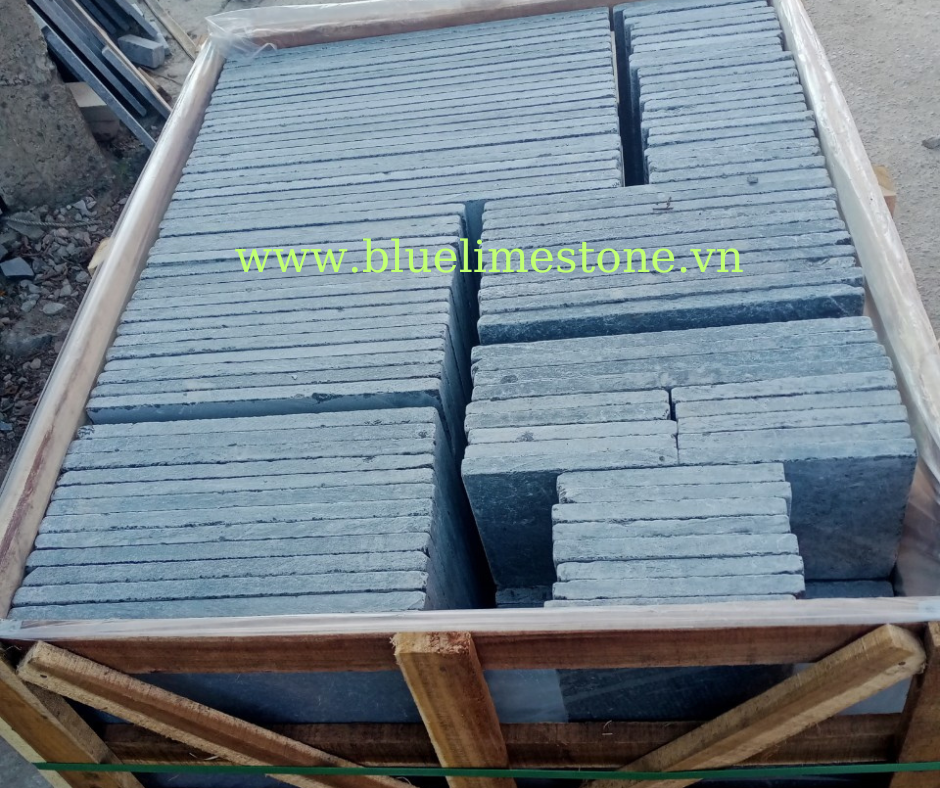
Vietnamese Blauwe Hardsteen, also known as Vietnamese Blue Limestone, is a distinguished natural stone renowned for its striking blue-gray coloration and exceptional durability. Quarried primarily in regions like Thanh Hoa province, Vietnam, this stone has gained significant popularity in Europe, particularly in countries like Belgium, where it is highly valued for its aesthetic appeal and versatility in construction and landscaping.
Geological Characteristics and Formation
Vietnamese Blauwe Hardsteen is formed from sedimentary rock layers rich in minerals such as calcite and dolomite, which give it its characteristic blue-gray hue. The stone often contains fossilized remnants, adding to its natural charm and unique texture. Its dense composition contributes to its strength and resilience, making it suitable for a wide range of indoor and outdoor applications.
Applications in Belgium and Europe
In Belgium, Vietnamese Blauwe Hardsteen is widely used in architectural and landscaping projects due to its aesthetic qualities and practical benefits. Common applications include paving for sidewalks and public spaces, cladding facades of buildings, creating garden features like paths and patios, and constructing decorative elements such as statues and fountains. Its ability to withstand freeze-thaw cycles and maintain its color over time makes it a preferred choice for both residential and commercial projects across Europe.
Sustainability and Responsible Sourcing
Vietnamese quarries adhere to rigorous environmental and labor standards to ensure the responsible extraction and processing of Blauwe Hardsteen. Sustainable practices are prioritized to minimize environmental impact, promote biodiversity conservation, and uphold ethical labor practices. These efforts resonate well with European consumers who prioritize sustainability and ethical sourcing in their purchasing decisions.
Market Integration and Trade Relations
The export of Vietnamese Blauwe Hardsteen to Europe, including Belgium, is facilitated by robust trade relations and adherence to international standards. Compliance with EU regulations ensures that the stone meets stringent environmental and safety criteria, enhancing its acceptance and competitiveness in European markets. Trade agreements, such as the EU-Vietnam Free Trade Agreement (EVFTA), further facilitate market access and promote bilateral trade relations.
Architectural Significance and Design Versatility
In Belgian architecture, Vietnamese Blauwe Hardsteen is esteemed for its versatility and ability to complement various design styles, from classic to contemporary. Its natural variation in color and texture allows for creative applications in both historical restorations and modern developments. Architects and designers appreciate its ability to create cohesive and elegant outdoor spaces while offering durability and low maintenance.
Future Outlook and Innovation
Looking ahead, the future of Vietnamese Blauwe Hardsteen in European markets remains promising. Continued advancements in quarrying techniques and processing technologies aim to further enhance product quality and expand design possibilities. Innovations in sustainability practices and product diversification will strengthen Vietnam's position as a leading supplier of premium natural stone in Europe, meeting the evolving demands of the market.
### Conclusion
Vietnamese Blauwe Hardsteen stands as a testament to Vietnam's rich geological heritage and commitment to producing high-quality natural stone products. Its enduring beauty, coupled with sustainable sourcing practices, positions it as a preferred choice among discerning consumers and designers in Europe. As Vietnam continues to innovate and refine its capabilities in quarrying and exporting Blauwe Hardsteen, it will continue to play a pivotal role in shaping the sustainable development of global architectural landscapes with its timeless appeal and exceptional quality.